Ghana to Teach AI, Coding, and Robotics in Basic Schools by End of 2026
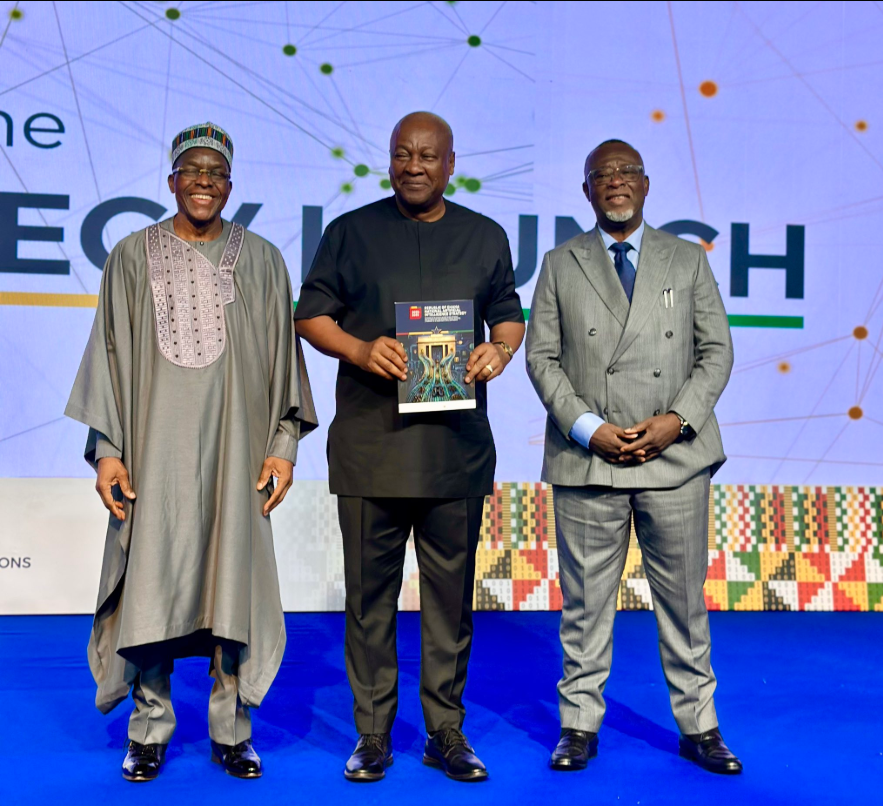
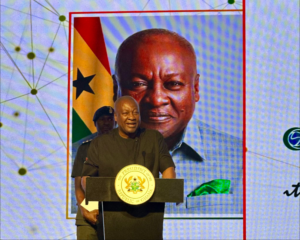
In a bold move to position Ghana as Africa’s premier “Digital Hub,” President John Dramani Mahama has officially launched the National Artificial Intelligence (AI) Strategy, earmarking a massive $270 million investment for implementation.
The highlight of the strategy? Artificial Intelligence, coding, robotics, and electronics will be integrated into the basic school curriculum before the close of the 2026 academic year.
The “June Deadline” for Curriculum Review
Speaking at the launch in Accra on Friday, April 24, the President directed the Curriculum Review Committee of the Ministry of Education to complete its work by the end of June. This tight deadline is designed to ensure that the new subjects are ready for rollout across the country’s basic schools within the next few months.
“Our AI ambitions are not confined to research institutions. They are intended to reach the classroom at the earliest stage of formal education,” President Mahama stated.
Key Pillars of the $270M Strategy:
$250 Million Computing Centre: A world-class national AI computing hub to power local research.
One Million Coders: A target to train 300,000 Ghanaians this year alone in advanced digital skills.
Responsible AI Office: A new dedicated office under the Ministry of Communications to ensure ethical AI deployment and data protection.
Local Language Integration: The strategy showcased “Aku,” an interactive AI assistant capable of responding in Twi, Ga, Dagbani, Ewe, and Gonja.
What This Means for Parents and Teachers
This shift is expected to close the “digital divide.” The President emphasized that the rollout must be inclusive, reaching innovation hubs beyond Accra and ensuring that students in rural areas and those with disabilities are not left behind.
For teachers, this means a massive wave of retraining is coming. The government’s strategy includes a National AI Fund to provide sustainable financing for these training programs and the necessary school infrastructure.