BREAKING: U.S. Begins Strategic Naval Blockade Targeting Iran-Linked Shipping in the Strait of Hormuz
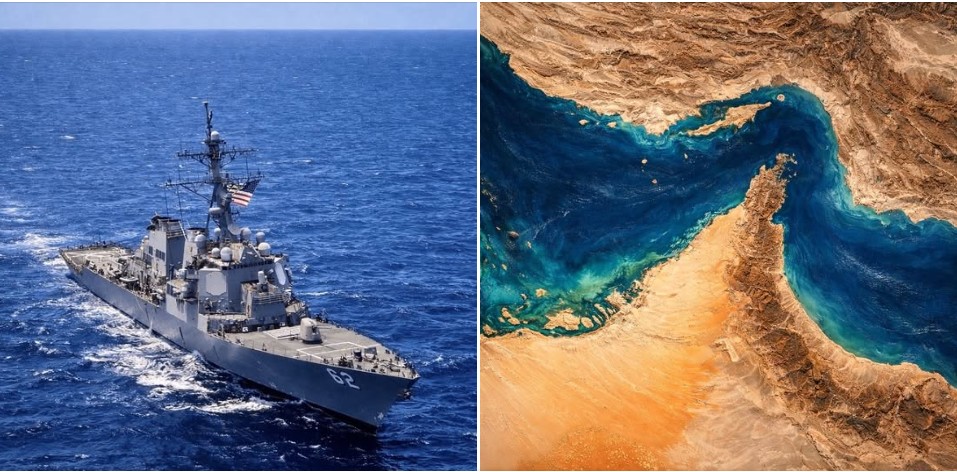
Tensions in the Middle East have sharply escalated as the United States has officially commenced a naval blockade targeting vessels linked to Iran in the Strait of Hormuz—one of the world’s most critical oil transit routes.
According to military sources, the operation began on Monday, with U.S. naval forces deployed across key sections of the narrow waterway. The move is aimed at restricting maritime traffic to and from Iran, following the collapse of recent diplomatic efforts.
Not a Full Closure of the Strait
Despite widespread reports suggesting a total shutdown, officials indicate that the blockade is targeted rather than absolute. Commercial vessels not linked to Iran are still permitted to transit through the strait, although under heightened surveillance and security checks.
This distinction is crucial, as the Strait of Hormuz facilitates nearly one-fifth of global oil shipments, making any disruption a major concern for global markets.
Global Oil Markets React
The announcement has already sent shockwaves through international energy markets, with oil prices surging amid fears of supply constraints. Analysts warn that continued military activity in the region could push prices even higher, affecting economies worldwide.
Rising Geopolitical Tensions
The blockade follows increasing hostilities between Washington and Tehran, with Iran reportedly warning of potential retaliation. Security experts caution that the situation remains volatile, with risks of further escalation in the Gulf region.
Potential Global Impact
Beyond the Middle East, the implications are far-reaching. Countries dependent on imported fuel—particularly in Africa and Asia—may soon feel the economic strain through rising fuel costs and inflation.
For nations like Ghana, the development could translate into higher transportation costs, increased commodity prices, and additional pressure on local currencies.
What Comes Next
While the United States maintains that the action is necessary for regional security, the international community is closely monitoring developments. Calls for renewed diplomacy are expected to intensify in the coming days as stakeholders seek to prevent a broader conflict.